




Is Anxiety a Disability? SSDI & SSI Explained
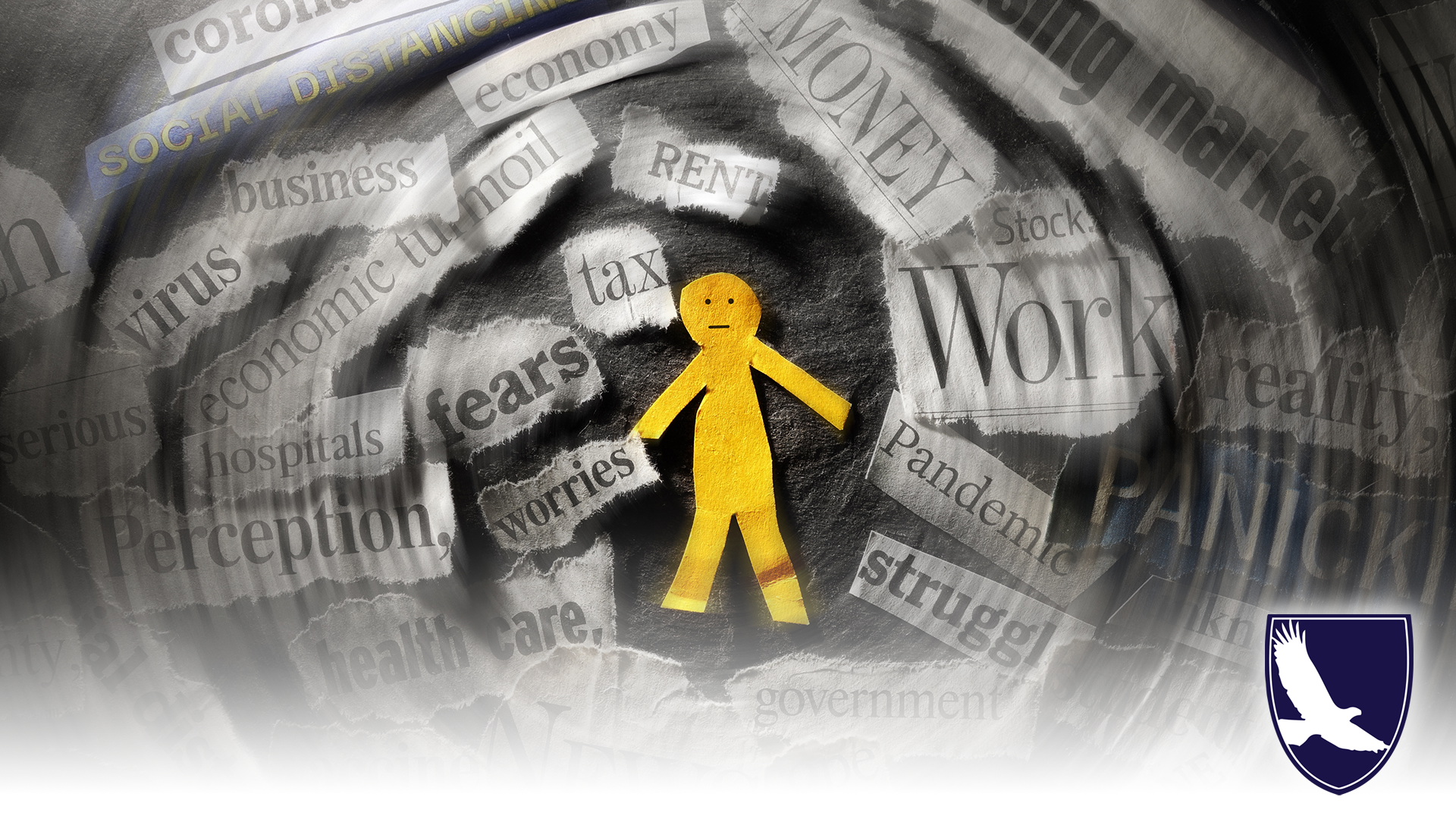

Yes, anxiety can be a disability under both the Americans with Disabilities Act (ADA) and Social Security. However, the two systems use two very different definitions of disability. The ADA is primarily concerned with protecting people from discrimination at work and providing reasonable accommodations. Social Security Disability Insurance (SSDI) and Supplemental Security Income (SSI), on the other hand, are designed to provide benefits to people whose medical conditions prevent them from performing substantial gainful work for at least 12 months.
While someone with anxiety may qualify for workplace protection under the ADA, they may not receive benefits from SSDI or SSI because their symptoms do not prevent them from working at the level Social Security requires.
Is Anxiety Considered a Disability Under Social Security?
Yes. Social Security recognizes anxiety and obsessive-compulsive disorders as potentially disabling mental impairments under Listing 12.06 of the SSA’s Blue Book. But having an anxiety diagnosis does not automatically qualify you for benefits. You must meet the specific criteria outlined in the listing or otherwise demonstrate that your condition prevents you from working.
Social Security looks at how severe your condition is and, most importantly, how it affects your ability to function at work. Anxiety can affect concentration, interacting with other people, maintaining a regular schedule, handling stress, adapting to changes, and completing tasks. These functional limitations can be more important to a disability claim than the diagnosis itself.
Anxiety also presents a challenge because there is usually no single blood test, scan, or other objective test that confirms its severity. That makes detailed medical documents, treatment history, observations from medical providers, and consistent descriptions of your symptoms especially important.
ADA vs. Social Security: Two Different Definitions of Disability
At a glance
Two definitions of “disability”
| Americans with Disabilities ActWorkplace protection | Social Security (SSDI & SSI)Monthly benefits | |
|---|---|---|
| Core question | Does the impairment substantially limit a major life activity? | Does the impairment prevent substantial gainful activity? |
| Purpose | Protection from discrimination at work | Financial benefits for people who cannot work |
| Duration required | No minimum duration | At least 12 months, or expected to result in death |
| What you receive | Reasonable accommodations — modified schedules, additional breaks, a quieter workspace, remote work, or changes to supervision | Monthly SSDI or SSI payments, plus any back pay owed |
| How strict | BroaderAnxiety disorders frequently meet this threshold | StricterRequires documented severity and functional limitations serious enough to rule out all work |
The same anxiety disorder may qualify under the ADA while falling short of Social Security’s definition. Qualifying for one does not decide the other.
The ADA and Social Security may use the word “disability,” but they are asking different questions. Under the ADA, a disability generally means a physical or mental impairment that substantially limits one or more major life activities. Major life activities can include concentrating, thinking, communicating, sleeping, interacting with others, and working. The ADA’s definition is intentionally broad.
Social Security uses a much stricter standard. To qualify for disability benefits, your impairment must prevent you from engaging in substantial gainful activity and must have lasted, or be expected to last, for at least 12 months or result in death. You must also not be able to perform your past relevant work or adjust to other work that exists in significant numbers in the national economy.
In other words, anxiety may frequently qualify as a disability under the ADA, while the same anxiety disorder may not meet Social Security’s definition of disability.
What Workplace Accommodations Are Available for Anxiety?
If anxiety substantially limits a major life activity, the ADA may give a qualified employee the right to reasonable accommodation. The appropriate accommodation depends on the person’s job and limitations.
Common examples include:
- Modified work schedules or additional breaks.
- A quieter workspace or permission to work remotely.
- Changes to supervision, communication, or shift assignments.
Requesting these doesn’t hurt a future disability claim. If anything, that accommodation history can actually help show how long you struggled to manage your symptoms at work.
Can You Get Disability for Anxiety?
Yes, but approval requires more than a diagnosis. Social Security wants documented severity, a consistent treatment history, and functional limitations serious enough to rule out all work, not just your last job. Anxiety claims are among the harder mental health cases to win because symptoms fluctuate, and their impact on concentration, persistence, social interaction, and the ability to handle workplace demands can be difficult to document.
A disability representative can help gather relevant medical records, identify gaps in the evidence, explain how symptoms affect your ability to work, and make sure your claim addresses the factors Social Security considers when evaluating disability.
A representative can also help you decide which program to apply to between SSDI and SSI, as each one has different financial and eligibility requirements. While the medical standard for disability is generally the same for adults under both programs, the non-medical requirements are different.
Why Anxiety Claims Are Denied — and How Representation Helps
Most denials trace back to a few recurring issues:
- Insufficient treatment history: Sporadic appointments make severity hard to prove.
- No functional documentation: A diagnosis alone doesn’t show how anxiety limits daily life.
- Inconsistent statements or work above the SGA limit: They can either undercut or automatically deny a claim.
A representative addresses each directly: requesting the right records from treating providers, documenting functional limitations accurately, and helping you present a consistent account of how anxiety affects your daily life and ability to work.
These actions do more than just correct your application. They establish credibility. Credibility can play an important role in how Social Security evaluates your statements about your symptoms and limitations. A representative can help you identify potential inconsistencies before they undermine your claim and make sure your application, medical evidence, and testimony tell a clear, consistent story.
Which Anxiety Disorders Can Qualify for Disability Benefits?
Social Security evaluates several anxiety-related conditions under Listing 12.06, while other mental health conditions, such as PTSD, are evaluated under different listings.
- Generalized anxiety disorder: Persistent, excessive anxiety and worry can qualify when the condition is medically documented and meets Social Security’s required medical and functional criteria.
- Panic disorder, social anxiety disorder, and agoraphobia: Social Security evaluates panic disorder and agoraphobia under Listing 12.06 when the required symptoms and functional limitations are present. The listing specifically addresses recurrent panic attacks and disproportionate fear or anxiety about situations such as using public transportation, being in crowds, standing in lines, leaving home, or being in open spaces.
- Obsessive-compulsive disorder (OCD): OCD is included in Listing 12.06 and can qualify when intrusive thoughts or compulsive behaviors and the required functional limitations are documented.
A representative can also help gather evidence about coexisting mental or physical conditions that may affect your ability to work.
Is Generalized Anxiety Disorder a Disability?
Yes, generalized anxiety disorder (GAD) can qualify for Social Security disability benefits. GAD is evaluated under Listing 12.06, which requires medical documentation of qualifying anxiety symptoms and either the required level of functional limitation under paragraph B or the alternative requirements under paragraph C.
For paragraph B, you must have an extreme limitation in one area of mental functioning or a marked limitation in two of four areas: understanding, remembering, or applying information; interacting with others; concentrating, persisting, or maintaining pace; or adapting and managing yourself.
A GAD diagnosis alone is never enough. The evidence must show how the disorder limits your functioning.
Is Social Anxiety a Disability?
Yes, social anxiety disorder can qualify for disability benefits when it is severe enough to prevent sustained work. Social anxiety disorder may significantly affect an individual’s ability to interact with others, which is one of the areas of mental functioning considered by the SSA. Social Security considers your ability to interact appropriately with supervisors, coworkers, and the public, respond to criticism, handle conflict, ask for help, and sustain workplace interactions.
Evidence showing how social anxiety affects you at work, in public settings, and even around family or other people can help demonstrate the broader pattern of impairment. This may include treatment records, statements from mental health professionals, and documented examples of how social anxiety affects your ability to communicate, interact with others, handle unfamiliar people or situations, attend appointments, use public transportation, or function in a workplace.
Statements from people who regularly observe your symptoms may also help provide additional context about how your condition affects your daily activities and relationships.
Anxiety With Depression, PTSD, or Physical Conditions
Anxiety does not have to be your only disabling condition. Social Security considers all medically determinable impairments and their combined effects when determining your ability to work. For example, anxiety may make it difficult to concentrate, interact with others, or handle workplace stress, while depression, PTSD, or a physical condition may create additional limitations.
When these impairments interact and their combined effects significantly restrict your ability to perform basic work activities, Social Security must consider those effects together rather than evaluating each condition in isolation. This means a combination of impairments may support a disability claim even when no single diagnosis would be disabling on its own. This is relevant to claims involving mental illness, bipolar disorder, or other common disabilities.
What Medical Evidence Do You Need for an Anxiety Disability Claim?
Medical evidence should do more than confirm that you have anxiety. It should help explain how the condition affects your ability to function over time. Useful evidence can include psychiatric or psychological treatment notes, medication records, therapy records, hospitalization records, mental status examinations, and documentation of side effects or changes in treatment. Social Security also considers evidence about symptoms, treatment response, clinical observations, and functioning.
A completed mental residual functional capacity (RFC) form from a treating provider may also help explain specific limitations, such as difficulty maintaining concentration, interacting with coworkers, handling ordinary workplace stress, or maintaining regular attendance.
Treatment gaps should be explained rather than ignored. Severe anxiety can itself make attending appointments difficult. SSA specifically states that it may consider whether inconsistent treatment or noncompliance resulted from the mental disorder.
How Social Security Evaluates an Anxiety Disability Claim
Social Security uses a five-step process to evaluate disability claims: checking work activity, then severity, whether the condition meets a listing, whether you can do past work, and finally whether you can do any other work. A denial at any step ends the claim before it reaches the next.
Step 1: Non-Medical Criteria and the SGA Limit
The first question is whether you are working at a level considered substantial gainful activity (SGA). In 2026, the SGA amount for people with disabilities other than blindness is $1,690 per month. The figure changes annually.
Failing a non-medical requirement can result in a technical denial regardless of how severe your anxiety is. SSDI also requires sufficient work history, while SSI has income and resource requirements.
Step 2: Is Your Anxiety a Severe Impairment?
Social Security considers whether your anxiety significantly limits your ability to perform basic work activities.
At this stage, evidence may include medical records, questionnaires about activities of daily living, treatment notes, and a consultative examination if additional evidence is needed. The goal is to establish both the existence of the impairment and its effect on your functioning.
Step 3: Meeting Listing 12.06
Your disability must meet Listing 12.06, paragraph A and either B or C.
How to meet the listing
Listing 12.06 requires A — plus either B or C
Your records must establish one of the following:
-
A1 · Anxiety disorder
Three or more of: restlessness, being easily fatigued, difficulty concentrating, irritability, muscle tension, or sleep disturbance
-
A2 · Panic disorder or agoraphobia
Recurrent unexpected panic attacks, or fear and avoidance associated with panic attacks
-
A3 · Obsessive-compulsive disorder
Obsessions or compulsions that are time-consuming or cause significant distress or impairment
Plus either B or C
An extreme limitation in one area, or a marked limitation in two, of:
- Understanding, remembering, or applying information
- Interacting with others
- Concentrating, persisting, or maintaining pace
- Adapting or managing yourself
All three must be present:
- A medically documented history of at least two years
- Ongoing treatment, therapy, psychosocial support, or a highly structured setting
- Only marginal adjustment — minimal capacity to adapt to change
Not meeting Listing 12.06 does not end your claim. Social Security continues to the residual functional capacity and vocational steps.
Meeting Listing 12.06 is not the only way to qualify. If your condition does not meet a listing, Social Security can proceed to the RFC and vocational steps.
Step 4: Can You Perform Your Past Work?
If your anxiety does not meet or equal a listing, Social Security assesses your residual functional capacity, or RFC. This considers what you can still do despite your medical limitations.
For example, someone with anxiety and chronic back pain might have both physical and mental restrictions. Their RFC could limit lifting and standing while also limiting contact with the public, requiring simpler tasks, or restricting their ability to handle workplace stress.
Social Security then compares that RFC with your past relevant work. Under current rules, past relevant work generally means work performed within the past five years, at the required level of substantial gainful activity, and for long enough to learn the job.
Step 5: Can You Perform Any Other Work?
If you cannot perform your past work, Social Security considers whether you can adjust to another type of work. This assessment considers your RFC along with your age, education, and work experience. Social Security uses medical-vocational rules, often called the Grid Rules, to help evaluate whether someone can adjust to other work.
Age is generally considered in categories such as younger individual, closely approaching advanced age, and advanced age. Education and work experience are also considered when evaluating how easily you may be able to transition into other types of work.
How Long Does an Anxiety Disability Claim Take?
There is no single timeline for an anxiety disability claim. The process can take months or longer, particularly when a claim is denied and moves through the appeals process. The time can depend on how quickly medical evidence is obtained, whether a consultative examination is necessary, and which stage of the process your claim reaches.
SSA notes that disability decisions can vary significantly depending on the circumstances of the case. If your claim is denied, you have appeal rights. Having a representative can help you identify why the claim was denied and develop the evidence needed for the next stage.
How Much Disability Will You Get for Anxiety?
Social Security does not pay a different benefit amount based on your diagnosis. An anxiety claim does not have a special payment rate. Your SSDI benefit is largely based on your covered earnings history.
SSI works differently. The maximum federal SSI benefit in 2026 is $994 per month for an eligible individual and $1,491 per month for an eligible couple. However, the actual amount can be lower based on countable income, living arrangements, and other factors.
So if you qualify for SSDI or SSI because of anxiety, the payment is determined by the applicable program’s rules — not by the fact that anxiety is the disabling condition.
Talk to a Disability Expert About Your Anxiety Claim
If anxiety is making it impossible or difficult for you to maintain employment, you do not have to figure out the Social Security disability process alone. Quikaid focuses on SSDI and SSI claims and can help you understand your options, gather relevant evidence, and navigate the claims or appeals process.
You can sign your contract online or start with a free case evaluation to find out whether you may qualify. You can also call Quikaid’s New Client Department at (800) 941-1321.
Frequently Asked Questions About Anxiety and Disability
Is Anxiety a Disability Under the ADA?
Often, yes. The ADA uses a broad standard — a condition qualifies if it substantially limits a major life activity, including concentrating, sleeping, interacting with others, or working. Anxiety disorders frequently meet that threshold, entitling employees to reasonable accommodations. This is a different and easier standard than Social Security’s, which requires an inability to perform any substantial gainful work.
Is Generalized Anxiety Disorder a Disability?
Generalized anxiety disorder can qualify for disability benefits, but the diagnosis alone is never enough. Social Security evaluates GAD under Listing 12.06, which requires medically documented symptoms plus marked or extreme limitation in areas of mental functioning such as concentrating, interacting with others, or managing oneself. Consistent psychiatric treatment records are essential to establishing that severity.
Is Social Anxiety a Disability?
Social anxiety disorder can support a disability claim when it severely limits your ability to function. Social Security evaluates it under the same anxiety listing, weighting most heavily the “interacting with others” area of mental functioning. Claims are strongest when treatment records document impairment across multiple settings — work, public situations, and family interactions — rather than in one context alone.
Can You Get Disability for Anxiety and Depression Together?
Yes, and combined claims are often stronger than either condition alone. Social Security must consider the combined effects of all medically determinable impairments when assessing your residual functional capacity. Anxiety and depression frequently produce overlapping limitations in concentration, persistence, pace, and social interaction, and the combined effect may establish disability where neither condition would independently.
How Much Disability Will I Get for Anxiety?
Payment amounts are not based on your condition. SSDI benefits are calculated from your lifetime earnings record, so two people approved for anxiety may receive very different amounts. SSI payments are based on the federal benefit rate minus countable income and resources. An approval for anxiety pays the same as an approval for any other qualifying condition.
Can I Work While Receiving Disability Benefits for Anxiety?
Limited work is possible, but earnings above the substantial gainful activity limit will generally end benefits or prevent approval. The SGA threshold adjusts annually and is measured on gross monthly earnings. Social Security also offers work incentive programs, including a trial work period, that let beneficiaries test their ability to work without immediately losing benefits.
Do I Need To See a Psychiatrist, or Is My Primary Care Doctor Enough?
A primary care doctor’s records count, but specialist treatment can carry more weight. Specialist records tend to document symptoms, medication response, and functional limits in the detail that makes an opinion well-supported and consistent — which is what SSA actually weighs.
Why Are Anxiety Disability Claims Denied So Often?
Anxiety claims are denied most often for insufficient treatment history, missing documentation of functional limitations, inconsistencies between reported symptoms and medical records, or earnings above the SGA limit. Because anxiety lacks objective confirmatory testing, credibility and treatment consistency carry unusual weight. Many claims denied initially are approved later at the hearing level with stronger evidence.
Share via: