




Can I Get Social Security Disability for Chronic Anemia?

Yes, chronic anemia can qualify for SSDI or SSI — but it is difficult to win on anemia alone. You must either meet a Blue Book listing (for example, 7.05 for hemolytic anemias) or prove that your anemia, together with any underlying impairment, prevents you from working full time under SSA's 5-step evaluation. The strongest claims tie low hemoglobin and disabling fatigue to a documented underlying medical condition.
What is chronic anemia?
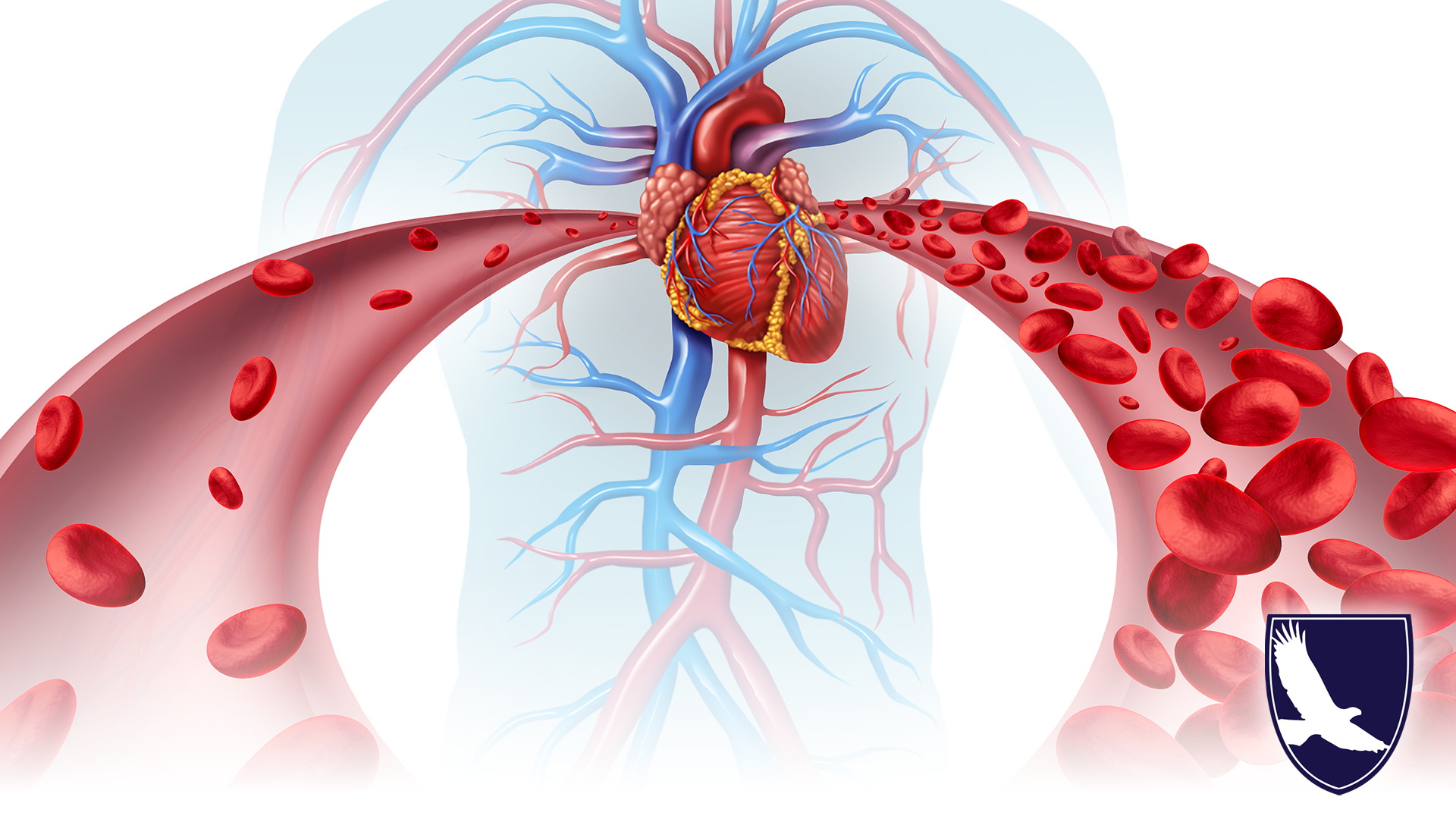
Chronic anemia occurs when your body has too few healthy red blood cells over a long period. Red blood cells carry hemoglobin, the protein that moves oxygen from your lungs to the rest of your body. When hemoglobin runs low, your organs and muscles are starved of oxygen — which is why the hallmark symptoms are persistent fatigue and shortness of breath. For a disability claim, symptoms matter because they translate into functional limitations — the things you can no longer do reliably during an 8-hour workday.
| Symptom | Why it happens | Work-related limitation |
|---|---|---|
| Severe fatigue | Low oxygen delivery to muscles | Can't sustain a full shift; needs unscheduled rest |
| Shortness of breath | Heart and lungs overwork to compensate | Limits standing, walking, lifting, exertion |
| Cognitive “brain fog” | Reduced oxygen to the brain | Trouble with concentration, persistence, pace |
| Weakness & dizziness | Oxygen-starved tissue | Safety risk around machinery, heights, driving |
| Cold extremities, headaches | Poor peripheral circulation | Reduced fine motor reliability and stamina |
What causes it matters as much as the anemia itself
SSA pays close attention to why you are anemic, because the underlying cause usually drives both severity and which rules apply.
| Category | Examples | How SSA typically evaluates it |
|---|---|---|
| Hemolytic (RBCs destroyed early) | Sickle cell disease, thalassemia, hereditary spherocytosis | Listing 7.05 |
| Bone marrow failure | Aplastic anemia, myelodysplastic syndromes, myelofibrosis | Listing 7.10 |
| Nutritional / deficiency | Iron, B12, or folate deficiency | 7.18 or by effect on other systems |
| Chronic disease-related | Chronic kidney disease, cancer, autoimmune disease | Rated with the underlying condition |
Does SSA consider chronic anemia disabling?
The honest answer is “it depends.” SSA weighs the severity of your symptoms, how well treatment works, the strength of your medical evidence, and vocational factors — your age, education, and past work. In anemia claims, SSA looks closely at whether your condition is serious enough to require blood transfusions and whether there is a documented underlying impairment driving it.
Two paths to approval
Every anemia claim reaches approval one of two ways. You only need one.
If your medical records satisfy the exact criteria of a Blue Book listing (Step 3), you are found disabled automatically — no vocational analysis needed. These criteria are strict and evidence-heavy.
Best for: severe hemolytic anemias, bone marrow failure, transfusion-dependent disease.
Most anemia claims win here. Even without meeting a listing, SSA can find that your residual functional capacity (RFC), combined with your age, education, and work history, leaves no job you can reliably perform.
Best for: anemia plus fatigue that erodes stamina, attendance, and pace.
The current hematological listings (§7.00)
| Listing | Covers | Key way to meet it |
|---|---|---|
| 7.05 | Hemolytic anemias (sickle cell, thalassemia & variants) | Any one of: 6+ painful crises needing IV/IM narcotics in 12 mo; or 3+ hospitalizations (48h each) in 12 mo; or hemoglobin ≤7.0 g/dL three times in 12 mo; or beta thalassemia major needing transfusions every 6 weeks |
| 7.08 | Thrombosis & hemostasis (hemophilia, thrombocytopenia) | Complications requiring 3+ hospitalizations (48h each), 30+ days apart, in 12 months |
| 7.10 | Bone marrow failure (aplastic anemia, MDS, myelofibrosis) | 3+ qualifying hospitalizations in 12 mo, or life-long transfusions every 6 weeks |
| 7.17 | Treated by bone marrow / stem cell transplant | Automatically disabled for at least 12 months from transplant date |
| 7.18 | Repeated complications of a hematological disorder | Repeated complications (~3×/yr, each 2+ weeks) plus a “marked” limitation in daily activities, social functioning, or completing tasks |
If your anemia doesn't meet one of these, SSA also considers its effect on other body systems — for example, iron overload from repeated transfusions is evaluated under the cardiovascular, respiratory, or digestive listings.
The hemoglobin threshold
Listing 7.05 provides a hard number: hemoglobin of 7.0 g/dL or less, documented at least three times in a year. Here's how that compares with a normal range.
Hemoglobin at or below 7.0 g/dL is roughly half the low end of normal — a level at which many people need transfusions. Even if you don't hit this exact number, consistently low hemoglobin still supports the functional limitations that win at Steps 4 and 5.
The 5-step sequential evaluation
Every SSDI and SSI claim runs through the same five questions. A denial can happen at any step; approvals happen at Step 3 or Step 5.
Why age and education can decide your claim
At Step 5, the same medical file can produce opposite results depending on vocational factors. Broadly: the older you are, the less educated, and the fewer transferable skills you have, the more likely SSA is to find you disabled.
| Age category | Ages | Effect on the claim |
|---|---|---|
| Younger individual | 18–49 | Highest burden — must show you can't do any work |
| Closely approaching advanced age | 50–54 | Rules begin to favor approval |
| Advanced age | 55–59 | Significantly easier to be found disabled |
| Approaching retirement age | 60+ | Most favorable grid treatment |
Education is graded as illiterate, marginal (≈6th grade), limited (7th–11th), or high school and above — which affects the range of jobs SSA expects you could learn.
Approval odds by stage — and why they climb
Most claims are denied at first. Approval rates rise sharply on appeal, especially at the hearing level, where you can testify and present evidence to a judge.
Anemia is common — which is why documentation is everything
Because anemia affects a large share of the population, SSA needs to see that yours is severe and disabling, not routine. The prevalence data shows how widespread it is:
How to strengthen a chronic anemia claim
Anemia cases are won on evidence. The claimants who succeed almost always have a paper trail that connects low hemoglobin → real symptoms → specific work limitations.
- Serial hemoglobin/hematocrit labs over time — not a single reading. Trends prove chronicity.
- Documentation of the underlying cause (kidney disease, cancer, bone marrow disorder, GI bleeding, etc.).
- Transfusion records — dates, frequency, and the hemoglobin levels that triggered them.
- Treatment history showing what was tried (iron, B12, EPO, transfusions) and that symptoms persist anyway.
- A detailed RFC opinion from your treating physician describing exertional and concentration limits.
- Symptom logs & Activities of Daily Living questionnaires tying fatigue to missed shifts and reduced pace.
- Records of every underlying and secondary condition — SSA must consider impairments in combination.
Quikaid has focused exclusively on Social Security disability since 1993. A free case evaluation can tell you where your claim stands and what evidence would strengthen it — with no obligation.
Get a free case evaluation or call (800) 941-1321.
Frequently asked questions
Can you get disability for chronic anemia alone?
Rarely. Isolated, treatable anemia usually isn't enough. Claims succeed when anemia is chronic and severe, is tied to a documented underlying condition, and produces fatigue and other limitations that prevent full-time work. You win by meeting a listing or by a medical-vocational allowance at Step 5.
What hemoglobin level qualifies for disability?
Under listing 7.05, one qualifying path is hemoglobin of 7.0 g/dL or less, measured at least three times in a 12-month period, at least 30 days apart. Normal is roughly 12–16 g/dL. Even without hitting that exact number, persistently low hemoglobin supports your functional limitations at Steps 4 and 5.
Is there still a “Listing 7.02 Chronic Anemia”?
No. SSA retired that listing in its 2016 revision of the hematological rules. Anemia is now evaluated under 7.05, 7.10, or 7.18, and by its effect on other body systems and your RFC. Articles that still cite 7.02 are out of date.
How much can I earn while applying for disability in 2026?
Earning more than $1,690 per month (gross) is considered Substantial Gainful Activity for non-blind applicants in 2026 and generally triggers a technical denial at Step 1. The blind SGA limit is $2,830 per month.
Does needing blood transfusions help my claim?
Yes. Regular, medically necessary transfusions are strong evidence of severity and are built directly into several listings (for example, beta thalassemia major or bone marrow failure requiring transfusions roughly every six weeks). Keep complete records of dates, frequency, and triggering hemoglobin levels.
How long does an anemia disability claim take?
It varies widely. An initial decision often takes several months; if you must appeal to a hearing, the full process can take a year or more. Because most approvals happen at the hearing level, preparing strong medical evidence early pays off.
Sources
- SSA Blue Book, §7.00 Hematological Disorders (Adult).
- SSA, Substantial Gainful Activity amounts (2026).
- CDC / NCHS Data Brief No. 519, Anemia Prevalence: United States, 2021–2023.
- SSA disability decision data, national approval rates by adjudicative level (2024).
Medical & legal disclaimer. This article is general information about Social Security disability rules, not medical or legal advice, and does not create a client relationship. Eligibility depends on your individual medical and vocational facts. SGA amounts and listing criteria change — verify current figures at SSA.gov. For advice about your specific situation, speak with a qualified disability representative or attorney and your treating physician.
Share via:
HIRE AMERICA'S DISABILITY EXPERTS NOW
If you need disability benefits, hire Quikaid now. You will not regret it. We will do everything possible to get your claim approved.
Sign our contract now online, complete our Free Case Evaluation, or call (800) 941-1321 so we can start the process of getting you approved for benefits! You have nothing to lose, and everything to gain.
The time to get started is NOW!